



How to organize your baby’s first trip
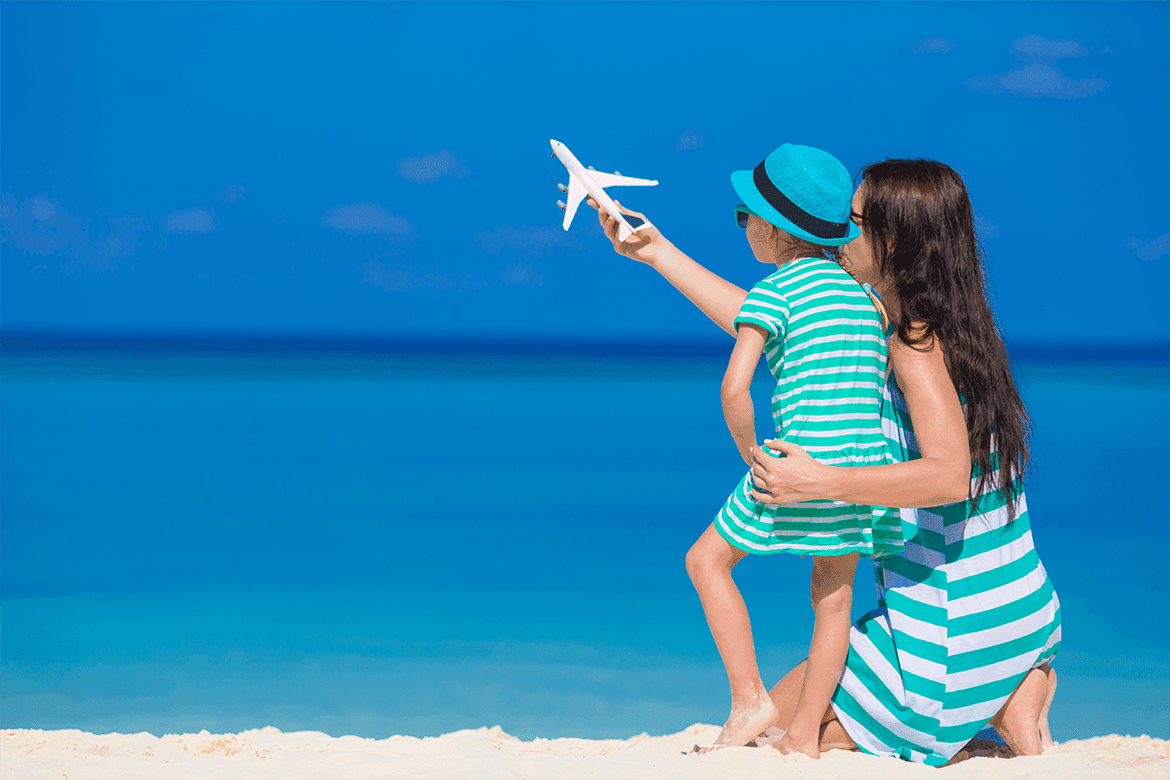
How do you organize your baby’s first trip? When was the first time you traveled with a baby? Any time is a good time to start, but I recommend waiting until your baby is two or three months old. The first few months are critical for both children and parents, as babies have to undergo medical examinations and receive their first vaccinations, while parents learn how to be parents. No one is born knowing how to care for their children; every child is different, and you have to adapt to their needs. When you decide to travel with your baby during the first few months of life, it is best to choose a destination in your own country. From five or six months onward, you can take more trips within Europe and even international trips. It all depends on how well your baby adapts to traveling, or whether this is your second child and you already have more experience.
Choosing a destination for your baby’s first trip
Parents have to choose the destination—one that excites you or one you would like to revisit as a family. The advantage of choosing a destination you have already visited is that you feel confident and will not encounter any surprises, making it a good option for your debut as a traveling parent.
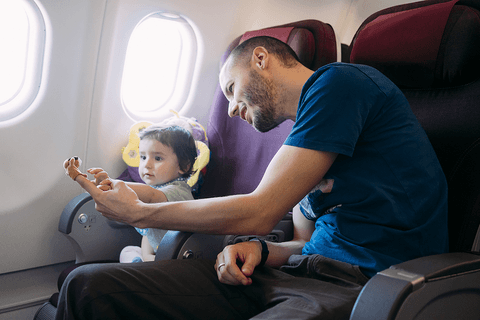
- The plane is the fastest way to reach your destination. Your baby will travel in your arms, and you will be able to attend to their needs at any time. However, you will have to pack light unless you check a suitcase, which will increase the cost of the tickets.
You should know that babies under two years old do not pay for an airline ticket, but they do pay the taxes. They cannot bring a suitcase, but you are allowed to take a changing bag on board, and you can check up to two baby items free of charge, such as a stroller and a car seat or a travel cot.
TAKING A LONG FLIGHT WITH A BABY
Traveling far away with a young baby is possible. However, here are some tips we put into practice when our little bears were small to make traveling with a baby on long-haul flights as easy as possible:
- When booking your tickets, avoid flights with stopovers or transfers whenever possible. In addition to lengthening the journey, you will have to deal with waiting times at the airport with a more or less cooperative baby. I prefer direct flights.
- Choose overnight flights: this will make it easier for the baby to sleep during part of the journey
A bassinet for your baby: this is available on long-haul flights for babies weighing less than 10 kg. You will be seated in the front row, where the bassinets are attached to the wall—and where you have space to stretch your legs forward: traveling with a baby on a plane can be comfortable! However, you need to arrange this in advance because bassinets are very popular.
Choose a window seat: it is more comfortable. It gives you support when you are holding the baby. That said, on our first long flights with the little ones, we flew during the day and had a stopover... And we survived. But it is clear that we did nothing else during the flight except take care of our little ones.
So expect your flight to be fairly active. With a small child, you get up several times, whether to help them fall asleep, change them, or stretch your legs (and run after them because they want to visit every aisle seat...).
WHAT ARE THE REQUIREMENTS FOR TRAVELING WITH A BABY BY PLANE?
What documents are needed to fly with a baby?
Traveling with a baby by plane requires documentation. The requirements depend on your destination. In the case of France, no document is normally required, but most airlines ask for an identity document. For other destinations, your little one will need:
- A valid identity document: for travel within the EU or the Schengen Area;
- A valid passport: for destinations outside the EU
- Their passport and visa: for some countries around the world. Sometimes the authorities even require the visa to remain valid for six months after the return date;
- An authorization to leave the country if you want to travel with a baby by plane and you are not the child’s parent.
Wherever you go, bring your family record book. Although you cannot legally be required to show it, it is better to have it than to get stuck at an airport. As for the health record, it is essential when traveling with a baby by plane, whether in France or abroad. You never know. Important: do not wait until the last minute to prepare these documents. Since processing times may vary, plan ahead.
Finally, think about your travel insurance. Insurance may be included with your bank card, but it may not be sufficient. It is often necessary to take out comprehensive travel insurance covering every eventuality, particularly repatriation in the event of a health problem at your destination. No paperwork is required in the event of a problem in an EU country thanks to the European Health Insurance Card (you must apply for it before departure)
How much does a plane ticket cost for a baby?
The good news is that traveling with a baby by plane is not very expensive. However, this depends on the airline. Some airlines, such as Air France, offer significant discounts if your baby travels on your lap: you will pay only 10% of the fare. Children over two years old must purchase a ticket costing between 70% and 80% of the adult fare. Therefore, before booking your flight, compare the fares offered by different airlines for your baby. Do not forget that, regardless of the ticket price, you will have to add airport taxes, which must be paid whether your baby is one month old or 24 months old.
Do I have to reserve a seat on the plane for my baby?
- Up to the age of two, it is not necessary to reserve a seat when traveling with a baby by plane. Your child can sit on your lap. For takeoff and landing, an additional restraint in the form of a belt that attaches to your own is provided. When booking, specify that you are traveling with a baby.
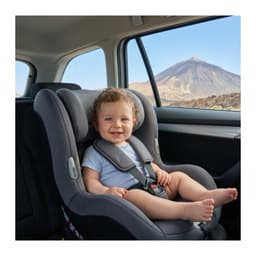
- However, if your child is under two, you can reserve a seat, which will cost the same as one for a child over two. This may be more practical during the journey, for example, to keep your belongings nearby. An approved car seat adapted to your child can be a good solution to keep them safely seated. This also avoids having to place the car seat in the hold. If you plan to travel frequently with a baby by plane, you should know that approved inflatable car seats are available; they are lightweight and compact.
- For babies, the best idea is to reserve a bassinet.
Located along the side of the plane, you will be seated in the front row with your baby. Depending on the airline, bassinets are designed for babies under nine months old or weighing 10–11 kg and measuring less than 70 or 80 cm tall. This is a practical solution for long-haul flights, but it needs to be arranged in advance. Please note that with some airlines, this is only a pre-reservation. Bassinets are assigned at check-in, with the youngest babies given priority.